Representation for Loading Dock Accidents
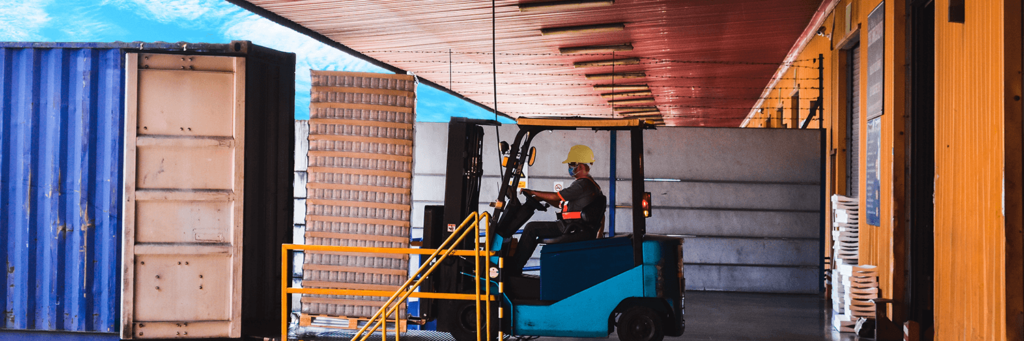
Every day, loading docks are behind the scenes managing the operations of businesses across the nation, including Texas and New Mexico. Loading docks are an essential aspect of the business model because they allow large factories to get materials where they need to go next. Unfortunately, roughly 25 percent of industrial accidents take place at the loading dock. Given the structure and machinery involved in the process, loading docks are a dangerous site for workers. One of the most common ways a loading dock accident takes place is when a forklift backs off the platform and falls on the operator.
Safety Requirements for Loading Docks
According to the Occupational Safety and Health Administration (OSHA), these are some the requirements for loading docks:
- “Every wall opening from which there is a drop of more than 4 feet shall be guarded by an actual fall protection barrier.”
- “The employer must ensure each employee on a walking-working surface with an unprotected side or edge that is 4 feet or more above a lower level is protected from falling by one or more of the following guardrail systems; safety net systems; or personal fall protection system.”
- “Power-operated industrial trucks shall not be used in atmospheres containing hazardous concentration of acetylene, butadiene, ethylene oxide, hydrogen (or gases or vapors equivalent in hazard to hydrogen, such as manufactured gas), propylene oxide, acetaldehyde, cyclopropane, diethyl ether, ethylene, isoprene, or unsymmetrical dimethylhydrazine (UDMH).”
It is important to note that guidelines are always subject to change and although these regulations are put in place with the intention of safeguarding employees, there is no method that will fully prevent accidents.
Types of Loading Dock Accidents
- Trailer creep: This occurs as there is repeated impact from lift trucks going in and out and causes the trailer to edge away from the dock.
- Early departure: Also known as an aggressive pullout, happens when a truck driver mistakenly drives away while a lift truck is entering or leaving and is still inside the trailer.
- Trailer pop-up or trailer-up ending: When a truck is loading or unloading and the weight of the material on the forklift is too heavy, it can cause one end of the truck to shift.
- Landing gear collapse: More commonly known as a trailer tip over, this occurs when the leg of the landing gear collapses. A leg that rolls inward or outward will cause the trailer to tip sideways.
Get the Attention You Deserve Following a Loading Dock Accident
At the Law Office of Javier Martinez, Jr., P.C. we are prepared to help you receive compensation and benefits as you recover from your workplace accident. If your accident took place in the El Paso area, please contact us at (915) 751-0896. For New Mexico residents, we can be reached at (575) 393-0021.
Frequently Asked Questions
What are the common causes of loading dock accidents?
Loading dock accidents often happen due to slippery surfaces, poor lighting, lack of safety barriers, faulty equipment, or miscommunication between workers and drivers. These hazards can lead to falls, collisions, or equipment-related injuries.
What OSHA regulations apply to loading docks?
OSHA regulations require employers to maintain safe working conditions, which include proper training, guardrails or barriers, clearly marked edges, and regular equipment inspections to prevent injuries on loading docks.
What should I do immediately after a loading dock accident?
First, get medical attention for any injuries. Report the accident to your supervisor right away, take photos of the scene, gather witness information, and make sure an official accident report is filed.
Who is liable in a loading dock accident?
Depending on what caused the accident and who was responsible for safety at the site, liability can fall on the employer, a third-party contractor, equipment manufacturers, or even the property owner.
What kind of compensation can I recover after a loading dock accident?
You may be entitled to workers’ comp benefits like medical expenses, wage replacement, and disability payments. In some cases, you could also seek additional compensation if a third party’s negligence was involved.
Do I need a lawyer for a loading dock accident claim?
While not always required, a lawyer can help ensure you get fair benefits, handle disputes with insurance companies, and determine if you have other claims beyond workers’ comp.